
Older Systems Drain Budgets Without Delivering Performance
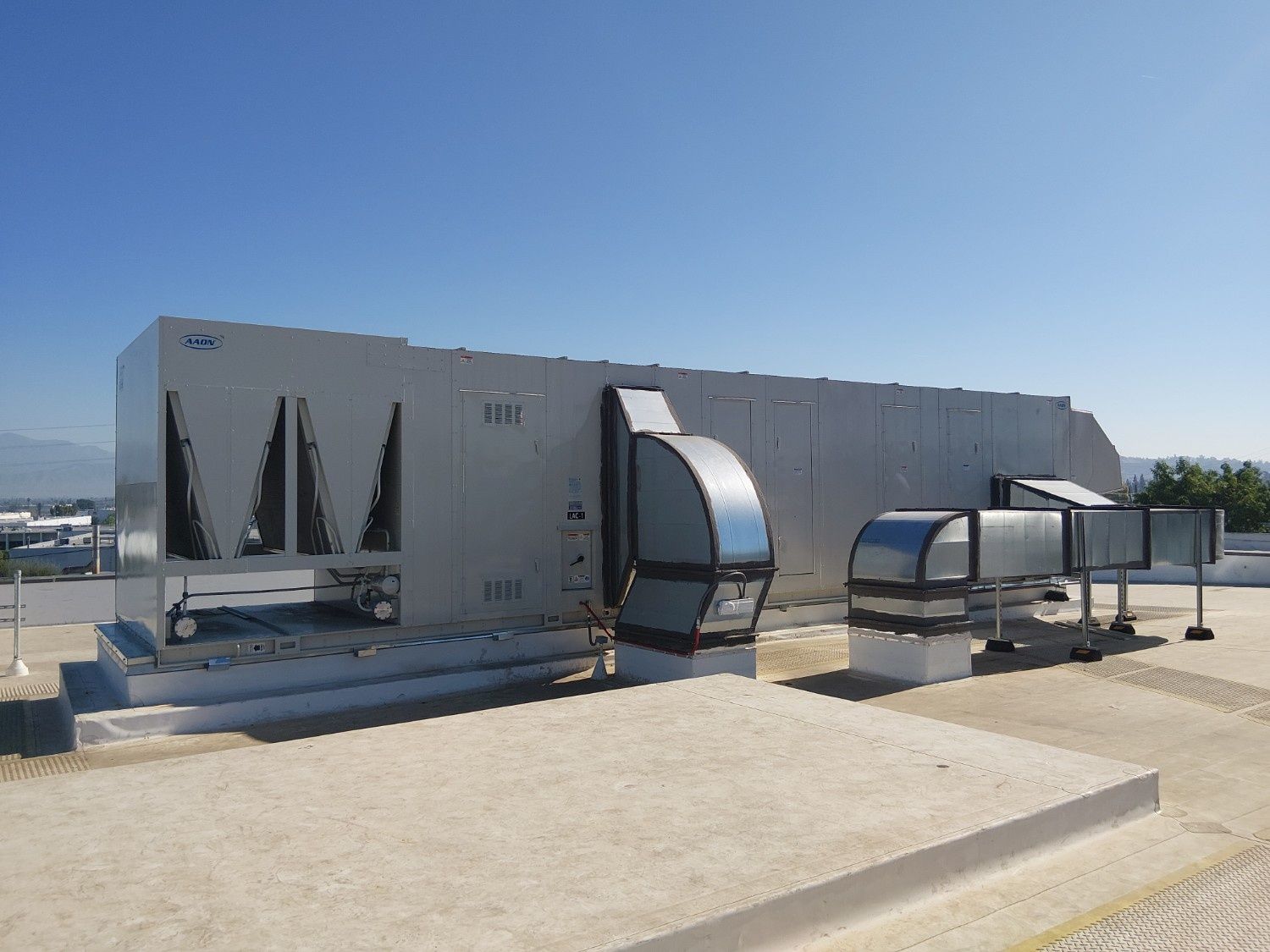
Commercial HVAC Retrofit in Fullerton for aging equipment that costs more to operate than maintain
Anderson Air Conditioning, L.P. performs commercial HVAC retrofit projects that upgrade aging systems with modern components and controls, helping facilities reduce operating costs and improve reliability without replacing entire mechanical platforms. You may be running equipment installed fifteen or twenty years ago that still moves air but consumes far more energy than current models and lacks the controls needed to respond to occupancy or load changes. When repair costs start climbing and monthly utility bills remain high despite regular maintenance, retrofitting key components often delivers better returns than patching failing equipment.
Retrofit projects replace outdated compressors, motors, control boards, and thermostats with components designed to meet current efficiency and performance standards. Technicians evaluate existing ductwork, electrical infrastructure, and system layout to determine which upgrades deliver measurable improvements and which components can remain in service. Retrofits allow businesses to modernize mechanical infrastructure incrementally, spreading costs over time and minimizing operational disruptions during upgrades.
If your Fullerton facility operates equipment that struggles to maintain temperature or drives high energy bills, reach out to discuss retrofit options that fit your budget and operational needs.
What Changes After a Retrofit
Your facility will run cooler during peak hours without drawing as much power, and you will notice fewer service calls related to control failures or inconsistent zone temperatures. Upgraded motors and variable-speed drives adjust output to match load conditions rather than running at full capacity regardless of demand. This means your system uses less energy during partial-load conditions, which represent most operating hours in commercial buildings.
Anderson Air Conditioning, L.P. designs retrofit projects to minimize downtime by scheduling component replacement during off-hours or low-occupancy periods, and technicians test upgraded systems thoroughly before returning spaces to normal use. After completion, you receive documentation showing which components were replaced, performance improvements measured during testing, and maintenance recommendations for newly installed equipment. Building managers use this information to track energy savings and plan future upgrades.
Retrofit projects do not always include full ductwork replacement or structural modifications, so existing airflow limitations may persist even after equipment upgrades. Technicians assess whether duct cleaning, sealing, or reconfiguration would complement mechanical upgrades, and they provide recommendations based on observed conditions and system performance data.
Common Questions About HVAC Retrofits
Business owners often want to know what components should be replaced first and how retrofits compare to full system replacement.
What components get replaced during a retrofit?
Common upgrades include compressors, motors, control boards, thermostats, variable-speed drives, and refrigerant components, depending on equipment age and condition.
How much energy savings should we expect?
Savings vary based on existing equipment efficiency and operating hours, but retrofits that include variable-speed drives and modern controls often reduce energy consumption by twenty to thirty percent.
Why not replace the entire system?
Full replacement makes sense when equipment has reached the end of its service life, but retrofitting allows businesses to capture efficiency gains without the cost and disruption of complete system removal and installation.
What happens to refrigerant during a retrofit?
Technicians recover existing refrigerant, replace components that affect refrigerant circuits, and recharge the system with refrigerant compatible with updated equipment and current regulations.
When should retrofits happen in Fullerton to avoid operational disruption?
Scheduling retrofits during mild weather or planned facility closures reduces the impact on occupants and allows time for thorough testing before peak cooling or heating seasons.
Anderson Air Conditioning, L.P. evaluates existing systems to identify retrofit opportunities that deliver measurable performance improvements and operational savings. Contact the team to schedule an assessment of your commercial HVAC equipment.