
Preventable Failures Cost More Than Scheduled Maintenance
Commercial HVAC Preventative Maintenance in Fullerton for systems requiring routine inspections to avoid breakdowns and performance loss
Anderson Air Conditioning, L.P. provides preventative maintenance programs that keep commercial HVAC systems operating reliably year-round by identifying wear, airflow problems, and performance issues before they cause equipment failures or operational disruptions. You rely on mechanical systems to maintain stable temperatures across occupied spaces, and unplanned downtime during peak cooling or heating seasons affects productivity, tenant satisfaction, and emergency repair costs. Regular servicing catches minor issues like worn belts, dirty coils, refrigerant leaks, and control drift while they remain inexpensive to correct.
Routine inspections include filter replacement, coil cleaning, refrigerant pressure checks, electrical connection tightening, belt tension adjustment, and control calibration. Technicians measure airflow volumes, check drain line operation, test safety controls, and document equipment performance trends that indicate developing problems. Scheduled maintenance improves energy efficiency, reduces unexpected breakdowns, and extends the lifespan of commercial HVAC equipment by preventing wear from progressing to component failure.
If your Fullerton facility lacks a maintenance plan or if existing service schedules do not match equipment needs, reach out to discuss inspection frequency and program options.
What Maintenance Prevents and Protects
Your facility will run with fewer emergency service calls, lower monthly energy costs, and longer intervals between major repairs. Technicians clean coils to maintain heat transfer efficiency, replace filters to preserve airflow, and correct refrigerant charge to prevent compressor strain. These tasks keep systems operating within design parameters rather than allowing gradual performance decline that goes unnoticed until a failure occurs. After maintenance visits, you will notice quieter operation, faster temperature recovery, and more consistent comfort across zones.
Anderson Air Conditioning, L.P. schedules maintenance visits based on equipment type, operating hours, and environmental conditions, and technicians provide reports that document inspection findings, tasks completed, and recommendations for future service. Facility managers use these reports to track equipment condition, plan capital budgets, and demonstrate proactive system care to tenants and stakeholders. Maintenance programs support consistent climate control and operational stability rather than reactive repairs that disrupt business activity.
Preventative maintenance does not eliminate all repair needs, but it reduces the frequency and severity of failures by addressing wear before it damages expensive components. Technicians identify issues like motor winding deterioration, refrigerant leaks, and control malfunctions early enough to schedule repairs during planned downtime rather than responding to emergency failures during occupied hours.
Maintenance Program Questions
Business owners and facility managers often ask about service frequency, cost comparisons, and what tasks are included in typical maintenance visits.
How often should commercial HVAC systems receive maintenance?
Most systems benefit from quarterly inspections, but equipment operating continuously or in harsh environments may require monthly service to maintain performance and catch wear early.
What happens during a typical maintenance visit?
Technicians replace filters, clean coils, check refrigerant pressures, inspect electrical connections, lubricate motors, test controls, measure airflow, and clear condensate drains.
Why does regular maintenance reduce energy costs?
Clean coils transfer heat more efficiently, proper refrigerant charge prevents compressor overwork, and unrestricted airflow reduces fan motor strain, all of which lower energy consumption compared to neglected systems.
What issues does maintenance catch that owners might miss?
Early signs of refrigerant leaks, worn belts, failing capacitors, control calibration drift, and restricted airflow often go unnoticed until they cause complete equipment failure or significant comfort problems.
When should maintenance happen in Fullerton to prepare for peak cooling?
Scheduling inspections in early spring ensures that systems are clean, charged, and mechanically sound before summer heat drives sustained high-load operation.
Anderson Air Conditioning, L.P. designs maintenance programs that match equipment needs and operating schedules. Contact the team to discuss service frequency and program options for your commercial facility.
Why Preventative Maintenance Matters for Commercial Buildings
For most commercial buildings, HVAC equipment represents one of the largest ongoing operating expenses. Whether your property is an office building, retail center, manufacturing facility, warehouse, church, educational campus, or medical office, a preventative maintenance agreement helps reduce emergency repairs while improving comfort, energy efficiency, and equipment reliability.
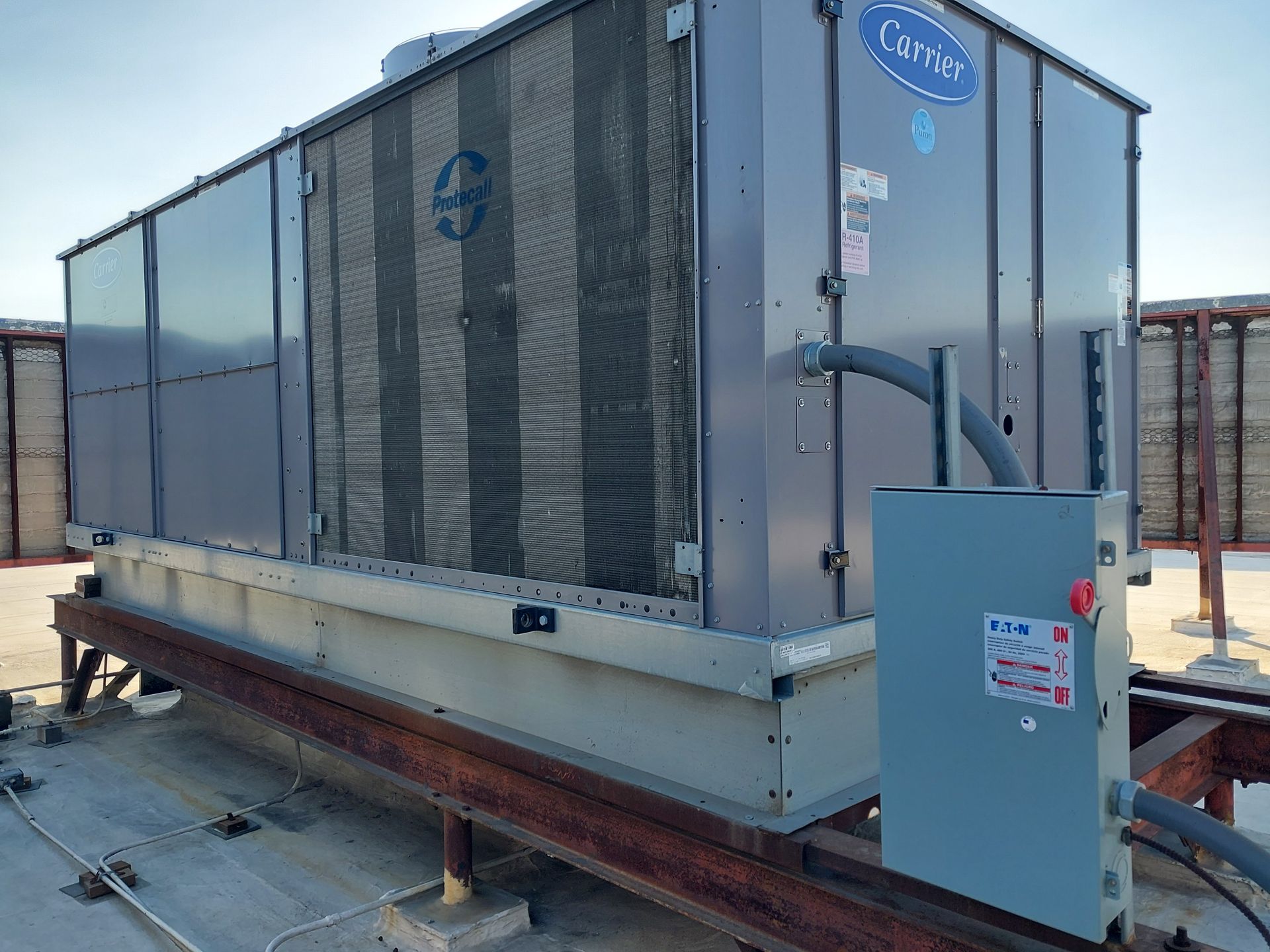
Unlike residential systems, commercial HVAC equipment often operates 10–24 hours per day under heavy demand. Small problems like dirty condenser coils, worn fan belts, loose electrical connections, clogged filters, or refrigerant loss can quickly develop into expensive system failures if left unaddressed.
AA Anderson Air Conditioning provides customized preventative maintenance programs for commercial facilities throughout:
- Fullerton
- Long Beach
- Irvine
- Huntington Beach
- Ontario
- City of Industry
- Anaheim
- Orange
- Santa Ana
- Buena Park
- Brea
- Yorba Linda
- surrounding Southern California
Our preventative maintenance agreements are designed around your building's operating schedule, occupancy levels, equipment type, and long-term operational goals.
What Is Included in Our Commercial HVAC Preventative Maintenance Program?
Unlike a simple inspection, preventative maintenance is a complete equipment health evaluation designed to maximize reliability and reduce unexpected downtime.
Every maintenance visit may include:
Air Filter Replacement
Proper airflow is critical for commercial HVAC efficiency. Dirty filters reduce airflow, increase operating costs, and place unnecessary strain on compressors and blower motors.
Evaporator Coil Cleaning
Dirty evaporator coils reduce heat transfer and force HVAC equipment to work harder than necessary. Routine cleaning improves cooling performance while lowering energy consumption.
Condenser Coil Cleaning
Outdoor condenser coils collect dirt, pollen, dust, and debris that reduce efficiency. Cleaning coils improves airflow and allows equipment to reject heat more effectively.
Refrigerant Pressure Testing
Low refrigerant levels often indicate leaks that reduce cooling capacity and increase compressor wear. Our technicians inspect refrigerant pressures to help identify developing issues before major failures occur.
Electrical System Inspection
Commercial HVAC systems rely on hundreds of electrical connections.
Maintenance includes inspection of:
- Contactors
- Capacitors
- Relays
- Wiring
- Disconnects
- Breakers
- Motors
Loose electrical connections remain one of the leading causes of unexpected equipment failures.
Belt Inspection & Adjustment
Belts naturally stretch over time.
Routine adjustments help prevent:
- Motor strain
- Reduced airflow
- Belt failure
- Bearing damage
Building Controls Testing
Many commercial facilities rely on programmable thermostats or Building Automation Systems.
We verify:
- Scheduling
- Sensor accuracy
- Temperature calibration
- Equipment communication
- System sequencing
Drain Line Cleaning
Blocked condensate drains can lead to:
- Water damage
- Ceiling leaks
- Mold growth
- Equipment shutdowns
- Routine cleaning significantly reduces these risks.
Industries We Maintain
Every commercial building has unique HVAC demands. We provide preventative maintenance programs for:
- Office Buildings
- Medical Offices
- Hospitals
- Dental Practices
- Retail Centers
- Shopping Centers
- Restaurants
- Warehouses
- Manufacturing Facilities
- Distribution Centers
- Churches
- Schools
- Government Buildings
- Apartment Complexes
- Multi-Tenant Office Buildings
- Property Management Companies
Preventative Maintenance vs Emergency Repairs
| Preventative Maintenance | Emergency Repair |
|---|---|
| Lower operating costs | Higher repair costs |
| Fewer equipment failures | Unexpected downtime |
| Longer equipment life | Premature replacement |
| Better energy efficiency | Increased utility bills |
| Improved indoor comfort | Occupant complaints |
| Predictable maintenance budgeting | Emergency service expenses |
Benefits of a Commercial HVAC Maintenance Agreement
Businesses choose scheduled maintenance because it helps:
- Extend equipment life
- Improve indoor air quality
- Reduce emergency service calls
- Maintain consistent building temperatures
- Lower monthly utility costs
- Improve employee comfort
- Protect tenant satisfaction
- Reduce unexpected capital expenses
- Improve equipment reliability
- Maximize return on HVAC investments
Commercial HVAC Maintenance Throughout Southern California
AA Anderson Air Conditioning proudly provides commercial preventative maintenance services for businesses throughout:
- Fullerton
- Long Beach
- Irvine
- Huntington Beach
- Ontario
- City of Industry
- Anaheim
- Orange
- Santa Ana
- Buena Park
- Brea
- Yorba Linda
Whether you manage a single commercial property or an entire portfolio of facilities, our experienced technicians provide dependable preventative maintenance programs designed around your building's operational requirements.
Frequently Asked Questions
How often should commercial rooftop HVAC units be serviced?
Most commercial rooftop units should receive preventative maintenance at least twice annually. Facilities with longer operating hours, manufacturing environments, or high occupancy may require quarterly maintenance to maximize efficiency and reduce unexpected equipment failures.
Can preventative maintenance reduce energy bills?
Yes. Clean coils, unrestricted airflow, proper refrigerant charge, calibrated controls, and properly operating electrical components allow commercial HVAC equipment to operate more efficiently, reducing unnecessary energy consumption.
How long does commercial HVAC equipment typically last?
Most commercial HVAC systems last between 15 and 25 years when properly maintained. Preventative maintenance helps maximize equipment lifespan while reducing premature compressor, blower motor, and electrical component failures.
What types of commercial HVAC equipment do you maintain?
We maintain rooftop units (RTUs), split systems, packaged systems, air handlers, exhaust systems, make-up air units, variable air volume (VAV) systems, and many building automation control systems serving commercial facilities.
Why do property managers choose preventative maintenance agreements?
Preventative maintenance provides predictable operating costs, reduces emergency repairs, extends equipment life, improves tenant satisfaction, and allows facility managers to budget maintenance rather than respond to unexpected breakdowns.
Why Businesses Choose AA Anderson Air Conditioning
Commercial property owners throughout Southern California trust AA Anderson Air Conditioning because we focus exclusively on commercial mechanical systems. Our experienced technicians understand the unique demands of office buildings, industrial facilities, retail centers, healthcare facilities, and multi-tenant commercial properties. We provide proactive maintenance strategies, clear communication, detailed service documentation, and customized maintenance programs that help facility managers reduce operating costs while extending the life of their HVAC investments.