
Commercial Buildings Need Mechanical Systems Built Right
Commercial HVAC Installation in Fullerton for facilities requiring climate systems matched to building load and occupancy
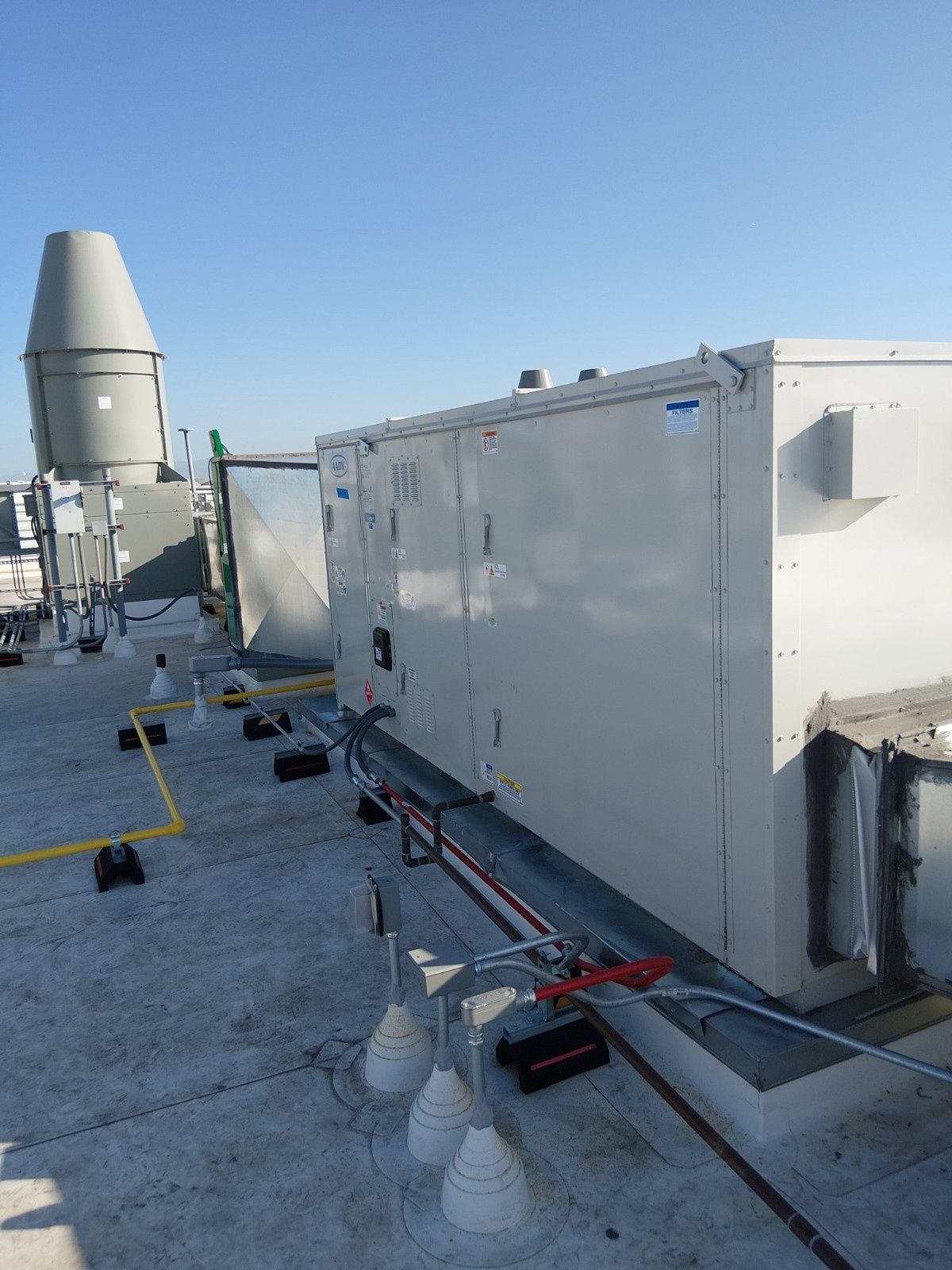
Anderson Air Conditioning, L.P. installs commercial HVAC systems in offices, industrial facilities, and large commercial buildings where undersized or poorly configured equipment leads to uneven temperatures, high energy costs, and shortened equipment life. You need a system sized to match your building's actual load requirements, not guesswork based on square footage alone. When your facility runs multiple zones with different occupancy patterns, proper system selection and airflow balancing determine whether your tenants stay comfortable or spend half the year adjusting thermostats.
This service includes sizing equipment to match your building's cooling and heating load, coordinating ductwork layout and airflow distribution, installing controls that respond to occupancy and load changes, and conducting operational testing to verify system performance before handoff. Installations are planned to minimize disruption to ongoing operations, and technicians work with building managers to schedule equipment delivery, rigging, and startup around tenant needs. Properly installed systems support stable climate control while meeting modern efficiency standards that affect operating costs for years.
If your building project or expansion requires new mechanical systems, reach out to discuss equipment options and installation timelines for your Fullerton location.
What Happens After the System Goes Live
Your facility manager will notice consistent temperatures across occupied zones, fewer tenant complaints about hot or cold spots, and lower monthly energy bills compared to older or improperly sized equipment. Technicians balance airflow during installation so that each zone receives the volume it needs based on load calculations, not rough estimates. This means conference rooms cool down quickly during meetings, warehouse areas maintain stable conditions during loading, and office spaces stay comfortable without constant thermostat adjustments.
Anderson Air Conditioning, L.P. coordinates system setup with building schedules to avoid conflicts with tenant operations, and technicians verify that controls respond correctly to occupancy changes and thermostat inputs before final handoff. After installation, you receive documentation that includes equipment specifications, warranty details, control sequences, and maintenance recommendations. This record helps future service teams understand how your system was configured and what components were installed.
Installation projects include equipment placement that accounts for service access, vibration isolation to prevent noise transmission into occupied spaces, and electrical connections that meet local code requirements. Systems are not considered complete until airflow testing confirms that each zone receives design volumes and operational testing verifies that all safety controls function as intended.
Questions About Commercial HVAC Installation
Building owners and facility managers often ask about timelines, equipment selection, and what happens during the installation process.
How long does a commercial HVAC installation take?
Installation timelines depend on building size, system complexity, and whether ductwork requires modification, but most projects range from several days to a few weeks including startup and testing.
What determines the size of equipment needed?
Load calculations account for building envelope, occupancy patterns, internal heat sources like lighting and equipment, and ventilation requirements based on building codes and occupancy type.
Why does airflow balancing matter?
Balancing ensures that each zone receives the correct volume of conditioned air so that no area runs too hot or too cold, which directly affects comfort and energy efficiency.
What happens if the building layout changes after installation?
Systems designed with modular controls and zoned ductwork can often accommodate minor layout changes, but major renovations may require equipment resizing or additional zones.
When should installation happen in Fullerton to avoid peak cooling season?
Scheduling installation during moderate weather in late fall or early spring reduces the urgency of getting systems online and allows more flexibility for testing and adjustments.
Anderson Air Conditioning, L.P. works with general contractors, property managers, and building owners to coordinate installations that support long-term reliability and operational efficiency. Contact the team to review building plans and discuss equipment options for your commercial facility.