
Upgrade Control Systems to Match Current Building Demands
Building Automation Retrofit in Fullerton for facilities running on outdated control platforms that limit system visibility
Anderson Air Conditioning, L.P. retrofits existing commercial buildings with modern automation and control systems, replacing legacy platforms that no longer support the monitoring and reporting your facility requires. If your control panel lacks remote access, fails to log system performance, or cannot integrate with newer HVAC equipment, a retrofit brings your building infrastructure into alignment with current operational standards. This work serves property managers, facility directors, and building owners across Fullerton who need centralized control without replacing functional mechanical equipment.
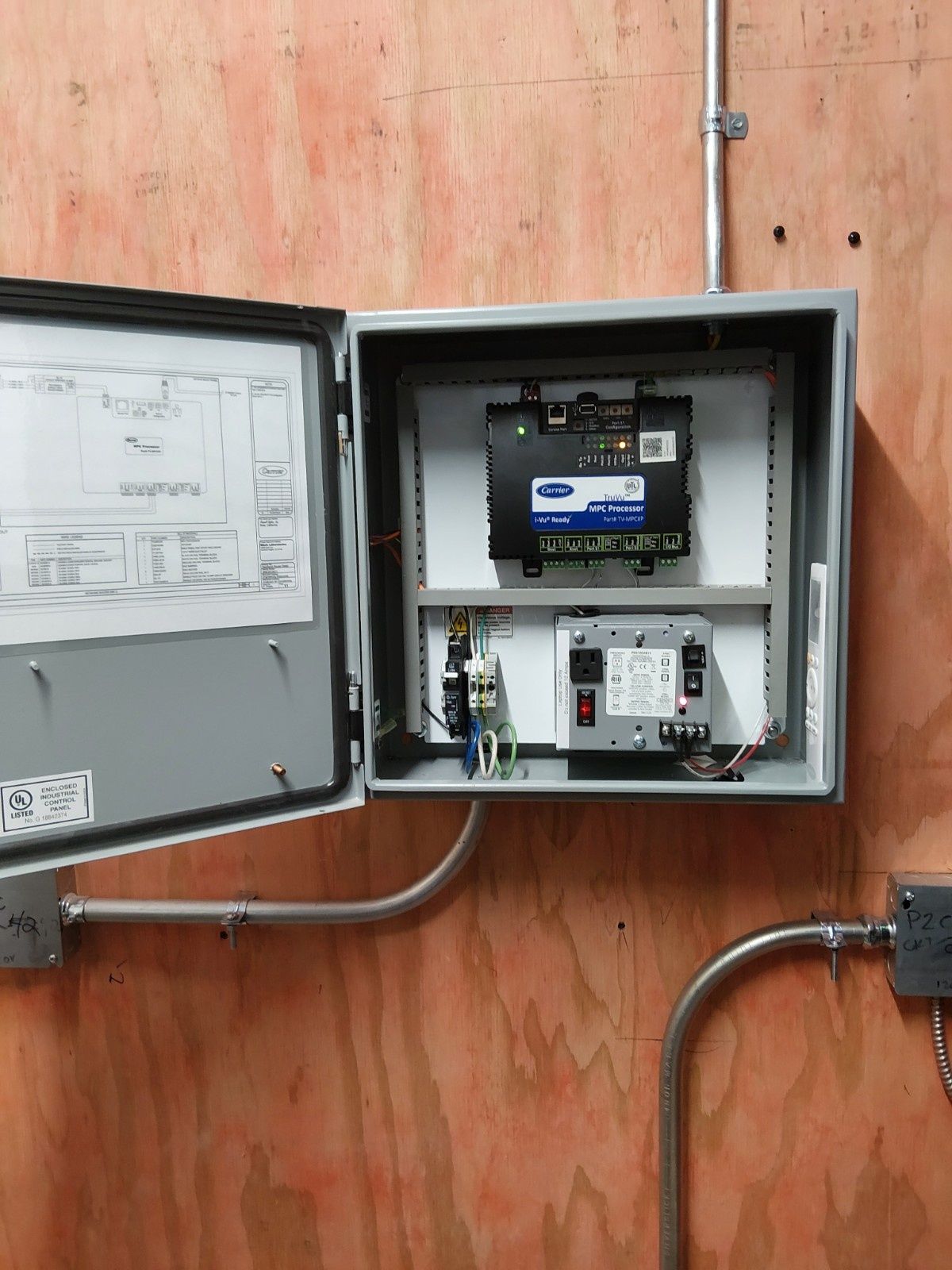
Older control systems often run on proprietary hardware that no longer receives software updates, leaving you unable to diagnose faults remotely or track energy use across zones. Retrofitting replaces controllers, sensors, communication wiring, and user interfaces while retaining the HVAC equipment already in place. The updated platform improves system responsiveness, expands data reporting, and allows technicians to adjust schedules and setpoints from a centralized dashboard. Buildings in Fullerton with mixed-age equipment benefit from standardized control architecture that communicates across all zones and floors.
Reach out to discuss how a control system retrofit can improve monitoring and performance in your Fullerton facility.
What Happens When You Modernize Building Control Infrastructure
You gain the ability to view real-time system data, adjust temperature setpoints remotely, and receive alerts when equipment deviates from programmed parameters. Technicians install new digital controllers at air handlers, rooftop units, and terminal equipment, then connect them to a network that feeds data back to a central server or cloud platform. Sensors are recalibrated or replaced to ensure accurate input, and communication protocols are standardized so all devices speak the same language.
After the retrofit is complete, you will notice that system alarms appear on your desktop or mobile device instead of requiring a site visit to check a wall-mounted panel. Anderson Air Conditioning, L.P. configures dashboards to display zone temperatures, runtime hours, and fault codes in a format that supports faster decision-making. Facilities that previously relied on manual rounds to verify system status now track performance continuously, allowing maintenance teams to address issues before occupants file complaints.
The scope of a retrofit depends on how much of the existing wiring and hardware can be reused. In some buildings, only controllers and user interfaces need replacement. In others, sensor wiring must be updated to support digital communication. Work does not typically require shutting down entire floors, but scheduling around occupied hours reduces disruption. The goal is to retain what still functions while replacing components that limit system oversight and control.
Common Questions About Retrofitting Automation Systems
Building owners and facility managers often ask about compatibility, downtime, and the difference between a retrofit and a full replacement.
What happens to the existing HVAC equipment during a retrofit?
The mechanical systems remain in place. Only the control components, sensors, and communication infrastructure are replaced or upgraded to support modern protocols.
How long does a typical retrofit take in a multi-zone commercial building?
Duration depends on building size and system complexity, but most projects are completed in phases to avoid shutting down entire systems at once.
Why would a facility choose a retrofit instead of replacing the entire automation system?
Retrofitting preserves functional equipment and reduces cost while delivering the monitoring and control features that older platforms lack.
What types of control platforms are used in Fullerton commercial buildings?
Many facilities in the area run a mix of pneumatic, analog, and early digital systems that lack network connectivity or remote access.
How does a retrofitted system improve energy management?
Updated controls allow you to schedule equipment based on occupancy, monitor runtime patterns, and adjust setpoints without visiting each piece of equipment individually.
If your building's control system no longer supports the reporting or remote access your operations require, contact Anderson Air Conditioning, L.P. to evaluate retrofit options that bring your infrastructure current without replacing equipment that still performs its core function.